Are the Cayman Islands Worth Visiting? Mike Ryan, the Developer Who Made the Answer Easy
Are the Cayman Islands truly a world-class luxury destination? Today the answer might feel obvious. But two decades ago, the islands were something else entirely: a diving hub and a cruise-ship port of call, pleasant but overlooked, without the infrastructure or reputation to compete with the world's great luxury locations.
This transformation traces back, in significant part, to a single afternoon in a hotel lobby and a developer who noticed something no one else had thought to act on.
That developer is Michael Ryan, Chairman and CEO of Silverfin Development. Understanding Cayman Islands luxury travel today means understanding his lasting impact on this place.
A Faded Billboard and a Sea-to-Sea Vision
When Michael Ryan arrived in the Cayman Islands in the late 1990s, the island was caught between two identities. Its offshore financial sector had been firmly established since the 1960s, serving as a home to international banks, investment funds, and global capital. But its hospitality offer had never caught up. The island drew over a million cruise ship visitors per year, most of whom arrived for a day and left. The high-net-worth professionals already based there had nowhere worthy of the place they had chosen to call home.
Michael Ryan had been brought there by Ritz-Carlton's head of development to assess whether a project worthy of the brand was feasible. Previous attempts had run into the same obstacle: parcels on Seven Mile Beach were too narrow, the footprint too constrained to support anything of real scale.
Then, looking out from the lobby of the old Holiday Inn, the island's first international hotel brand and by then aging badly, he noticed a billboard. Faded and barely legible, it advertised 138 acres of land for sale directly across the road, stretching all the way back to the North Sound. He immediately recognized what combining those two parcels would create: a site running sea to sea across the finest stretch of real estate on the island.
"You have to be able to act upon an opportunity when it presents itself to you."
He purchased both the hotel and the land, and the Ritz-Carlton Grand Cayman project had begun. When it opened in December 2005, it set a new standard for the Seven Mile Beach luxury resort sector: multiple restaurants and bars, pools, private beach access, an award-winning spa, and the Ambassadors for the Environment program, connecting guests to the islands' natural and cultural heritage from day one.

Luxury Travel in the Cayman Islands Unlocked
What does luxury travel actually mean? Luxury travel is not simply about price. It is about the sense that a place has earned its reputation rather than just being marketed for it.
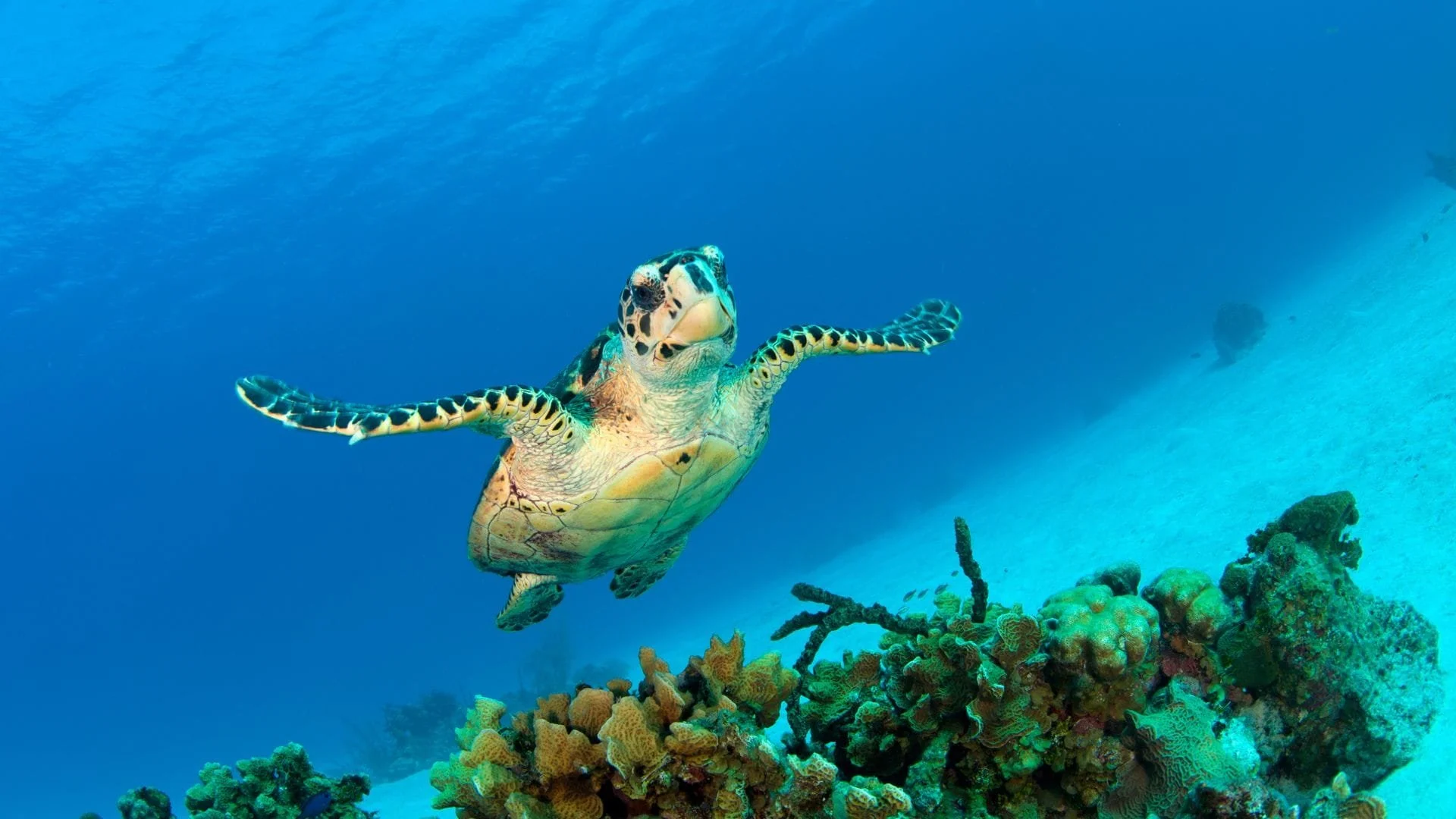
The Cayman Islands earn theirs in specific ways: water so clear the reef is visible from the surface, a dining scene that rivals any international city, and a quality of life that is calm, private, and ordered in ways that can be hard to find in the modern Caribbean.
None of that is accidental. It is built on decades of careful, deliberate decisions. The cost of visiting reflects what was developed here, and the Cayman Islands make a strong case for themselves.
The Ritz-Carlton did not simply give the Cayman Islands a flagship property. It gave the sector a proof of concept, and the sector responded.
By 2025, total residential real estate transactions exceeded US$1 billion for the first time, a record driven primarily by the luxury segment, in which properties above US$2.4 million accounted for nearly half of total sales value. The resident millionaire population grew by 62 percent between 2014 and 2024, according to Henley & Partners, reflecting a shift from a visitor economy to a residential one built on lasting conviction.
For a broader view of what that growth produced, Cayman Islands luxury real estate development maps how the Cayman Islands luxury development landscape has evolved in the decades since.
A Legacy Still Being Built
Michael Ryan's contribution did not end with the Ritz-Carlton. Through Silverfin Development Cayman Islands, he has continued to shape projects that reflect the same enduring thinking: FIN Grand Cayman, The Deckhouses, Exclusive Island, and the Prisma project in Crystal Harbour.
Running through it all is the FIN Environmental Program, which actively monitors and works to restore the reef offshore of the development.
"If we are selling a beautiful destination, we need to put the resources in place to ensure its health for the long term. It's just good business."
The Deckhouses Grand Cayman case study illustrates how design, community, and environmental responsibility are treated as part of the same conversation.
So, are the Cayman Islands worth visiting? Yes, and the reasons run deeper than the obvious ones. The beaches, the resorts, the stable real estate market: all of it reflects decisions made by people who understood that building something lasting matters more than building something fast. DeveloperMichael Ryan is the clearest example of that approach, and the Cayman Islands are the evidence.
People Also Ask
What makes Cayman’s real estate value one of the most resilient in the region?
The fundamentals are structural rather than cyclical. No direct taxation, a supply-constrained land base, and a resident population weighted toward high-net-worth individuals and financial professionals create a steady value that does not correct the way other markets do.
Why does luxury tourism gravitate towards the Cayman Islands over other Caribbean destinations?
The Cayman Islands offer a combination that is harder to find than it sounds: world-class dining, water clarity that rivals the best dive spots anywhere, and a level of calm and peaceful living that comes from a resident population, not just a tourist economy.
What is the outlook for Grand Cayman's Seven Mile Beach corridor?
Land on Seven Mile Beach is finite and increasingly built out. Limited supply has historically supported Cayman real estate value through cycles when other prime markets corrected, and that constraint is unlikely to change.